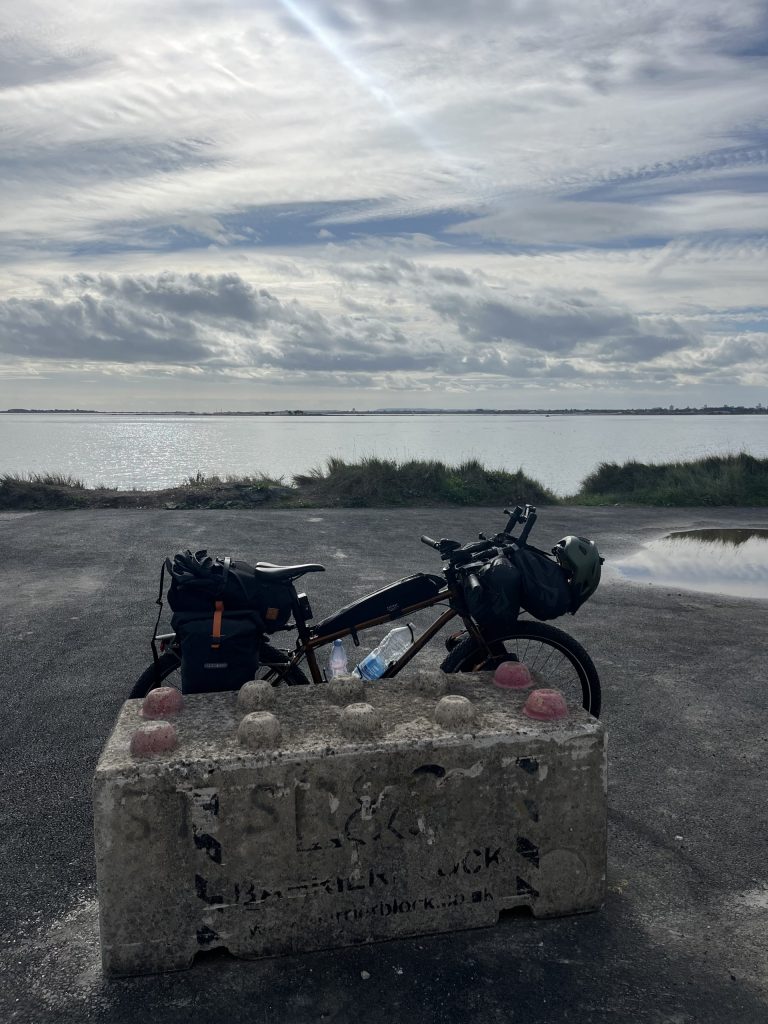
Last week cycling through Africa still felt like something I was mostly just preparing for. After this last week it has started to feel like something that is actually happening. There is a big difference here. A list can remain a list for a very long time. You can research routes, look at maps, read about borders and convince yourself that all of it is useful without ever quite crossing the line between thinking about a journey and committing to one. That line now seems to be getting closer to being crossed.
Appointments are being made. Countries that, only a few weeks ago, were little more than names stretching south across a map are beginning to become borders, visa requirements, possible stop-offs and decisions. I’m finding riders who are either out there now or have recently completed similar journeys. Their routes are becoming reference points. Their mistakes are becoming warnings. Their successful border crossings are becoming small pieces of reassurance. And through all of that, one question keeps appearing. Is this actually the right move for me?
Possibly possible
Long-distance travel has never been simple, but it sometimes feels as though the map has become more complicated than it used to be. Borders close. Visa rules change. Political situations shift. A route that worked for somebody twelve months ago may not work today. I can spend an entire afternoon researching one border crossing and still come away unsure whether the information I found is current, outdated, technically correct but practically useless, or written by somebody who has never actually stood at the border in question.
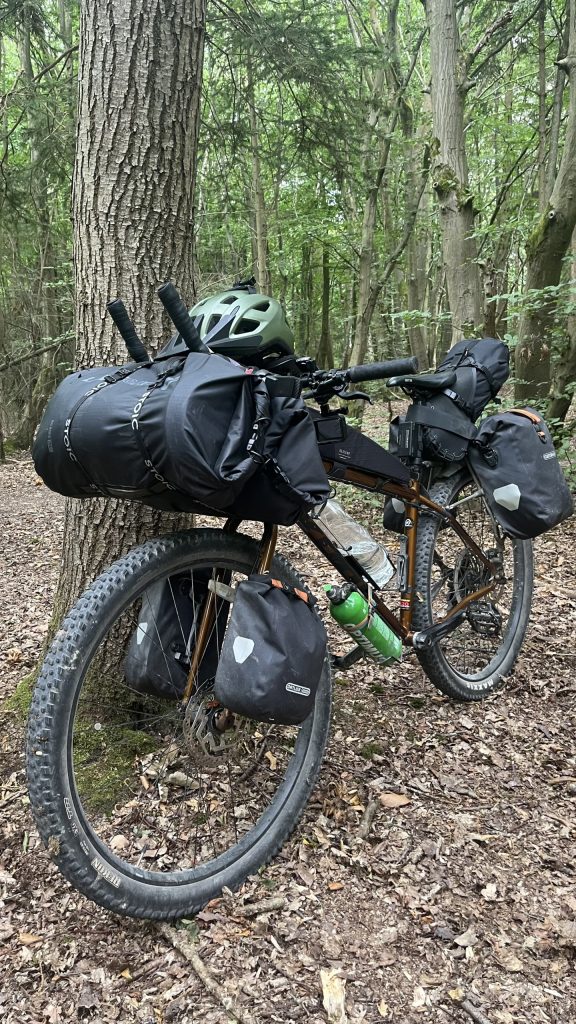
That is where other riders have become useful. I have started following more and more cyclists who are either travelling through Africa now or have recently ridden sections of the route I’m considering. Their journeys are becoming something close to real-time intelligence. Where did they get a visa? Which embassy worked? Where did they cross? What happened when the official information and reality did not quite agree?
It is strangely reassuring to see somebody standing beside a bicycle in a country I have spent hours researching from a library desk. It turns an abstract problem into something much simpler. Somebody else got through.
Therefore, why can’t I?
Preparation
The preparation is becoming more tangible in other ways as well.
Medical appointments have now been made. Vaccinations need reviewing. Certificates need checking. There are conversations to have about malaria and the various other things that become relevant when your route starts passing through parts of the world where the governmental advice suddenly becomes considerably more interesting. These are the less romantic parts of adventure. Nobody imagines the great overland journey beginning with sitting in a waiting room discussing vaccination records. But here we are.
There is something satisfying about it, though. Every appointment booked removes another unknown. Every task completed makes departure slightly more real. It is also another reminder that there is a big difference between imagining Africa and actually preparing to cycle across it. The first requires a map and an active imagination. The second requires paperwork. A lot of paperwork.
Borders And Visas
The route is slowly becoming more defined too. Not final, but as close to final as is possible from a desk thousands of miles away from the destination.
I doubt it will ever be final. But the broad line south is beginning to make sense. Borders that initially looked straightforward have become questions. Other borders that looked difficult are beginning to reveal possible solutions. Visa stop-offs are emerging in cities along the route. Places I had never expected to spend time in are suddenly important because they may contain the embassy I need for a country several hundred kilometres further ahead.
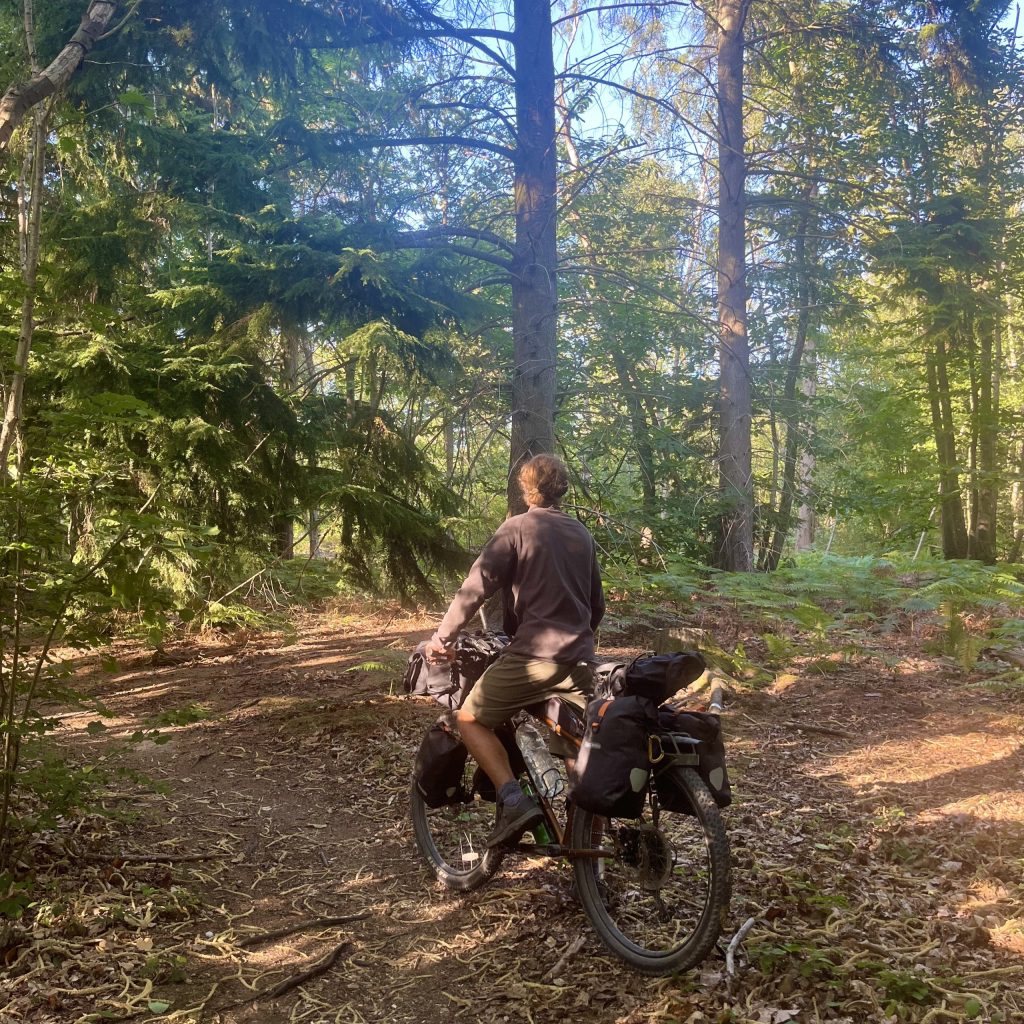
This is the strange logic of long-distance travel. You are not only planning where you want to go. You are planning where you need to be in order to get permission to get to where you want to go. There are moments when it feels less like planning a bike ride and more like attempting to solve a puzzle where the pieces keep changing shape. And yet, slowly, some of it is coming together.
Doubts as to whether I’m even capable of such a trip again have not gone away. If anything, some days they are louder. Am I leaving at the right time? Is there even a right time? Should I wait another month? Would leaving earlier make more sense? What if I reach somewhere at exactly the wrong point in the season? What if the weather turns? What if a visa takes too long? What if one border changes and the entire route starts collapsing around it?
There is a point where research becomes useful and another point where it simply creates more things to worry about. I seem to move between the two on an almost hourly basis. One minute I am convinced the route works. The next I have found one sentence buried halfway down a forum post that appears to invalidate the entire continent. Then I find somebody who crossed the same border last Tuesday. Everything is fine again. This is apparently what preparation looks like.
The important thing is that none of this is entirely new.
Before my last big journey, I remember feeling much the same way. Excited one moment. Convinced I was making a terrible mistake the next. There were too many unknowns, too many places where something could go wrong and too many reasons why staying somewhere familiar would have been easier. And then I left.
Things went wrong, of course they did. But far more often, things went right. A road continued. A border opened. Somebody helped. Food and water appeared when I needed it. A problem that felt enormous at night became manageable in the morning. Eventually the journey I had spent so long worrying about simply became my life. I need to remember that.
The mind is very good at imagining disaster. It is less interested in imagining the thousands of ordinary days where everything simply works.
So when the negative thoughts arrive, I am trying to push them aside and think instead about what happens if this goes well. What if the borders work? What if the visas arrive? What if the bike survives? What if I meet extraordinary people? What if the roads are even better than they look on the map? What if Africa becomes one of the journeys I spend the rest of my life talking about? That version deserves some attention too.
Woodland Life
Despite everything changing on screens, very little has changed in my actual day-to-day life. I am still wild camping in the woods. I still pack everything away each morning and still find a quiet spot beneath the trees each evening. I’m still trying to move unnoticed enough that nobody takes too much interest in where I sleep.
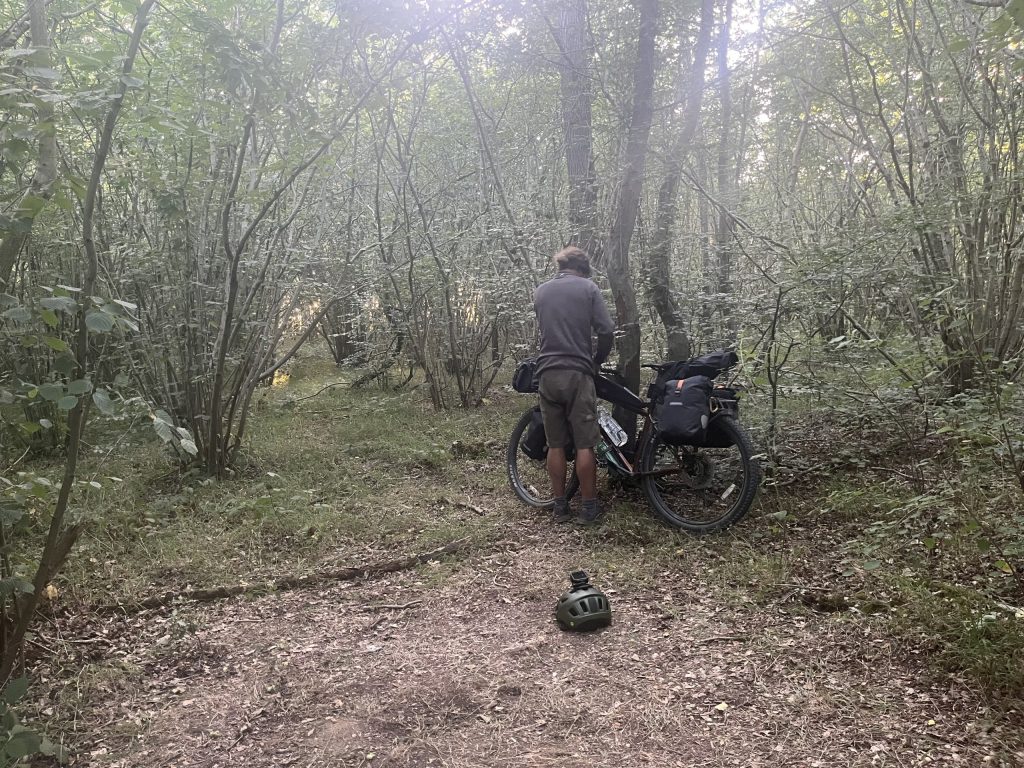
There is something useful about having all this preparation happening while my basic routine remains almost identical to life on the road. It prevents the planning from becoming too detached from reality. I can spend six hours looking at visa requirements and then return to a tent, cook dinner on the stove and remember that ultimately the journey will still come down to very simple things. Ride. Eat. Find water. Find somewhere to sleep. Repeat. The bureaucracy may be complicated. The lifestyle itself usually is not.
Sharing The Ride
The new website is gradually coming together too, and that has become a much bigger part of the preparation than I expected. FTtouring has existed in one form or another for a long time, but this feels different. I want the website to become the proper home for everything I produce. The journals, destination guides, route guides and practical information from the road.
For once, I am trying to build the structure before the journey rather than working everything out while already several countries away. I’m excited to launch it properly. I am also slightly terrified by how much time a website can consume while pretending to be almost finished.
The same is true of the content. I want to share more of this journey than I have on previous ones. Not simply the polished moments but the preparation, the bad days and good days. The stupid mistakes and biggest wins. The border problems. The long stretches where absolutely nothing happens. The times when I question why I am doing it at all.
That means finding a way of filming, editing and writing that can survive life on the road. There is no point creating an ambitious content plan that works beautifully from a library desk but collapses on day four because I have no power, no signal and still need to ride eighty kilometres. The riding still has to come first. If sharing the journey begins interfering with living it, then the priorities have gone wrong. The challenge is finding the point where both can exist together.
Making It Work
Funding is another question that has become harder to ignore. Long journeys cost money. Even travelling cheaply, even living in a tent, even cooking most of my own food, the numbers eventually add up. There are visas, repairs, ferries, insurance, food and occasional accommodation, to name a few. Then there are the unexpected things that cannot be predicted no matter how many spreadsheets I create.
So I am looking at ways of making FTtouring support more of the journey itself.
Not by putting everything behind subscriptions or turning every story into a sales pitch. That is not what I want. But if people enjoy following the journey and want to help keep it moving, I want there to be a simple way for them to do that. Again, it makes Africa feel more real. There is something very different about wondering whether you can fund a journey and actively building a way to try.
For all the doubt, there is something else growing too. Excitement. The more I research the countries ahead, the more I want to see them.
Landscapes I knew almost nothing about a month ago are becoming places I am genuinely impatient to reach. Mountain roads. Desert. Coastlines. Cities. Forests. Huge stretches of territory I have never seen except through a screen. That is the strange part of planning a journey like this. At first the map is just geography. Then slowly the names begin acquiring meaning. A photograph, road, border, story from another rider, a place where somebody camped. A route through a mountain range. Eventually you stop looking at those places as information and start imagining yourself there.
That is when the excitement begins overpowering the doubt. Not completely. Probably never completely. But enough.
Having that doubt is important too. If I knew everything before I set off then what would be an adventure suddenly becomes just a holiday. Adventure needs uncertainty, it needs doubt, it needs to be unpredictable and challenging. If it didn’t have those things, my interest would soon fade. So maybe I’m where I need to be with this planning stage. Or maybe not? Either way, it’s all starting to feel real now.