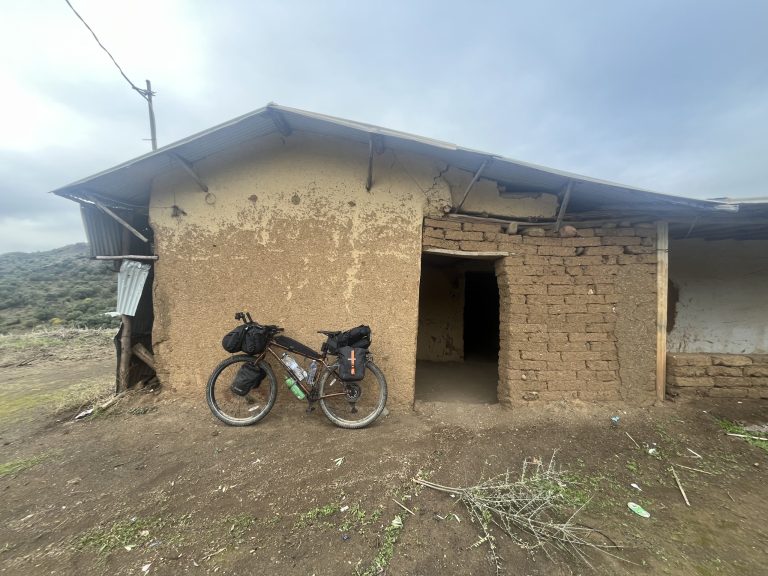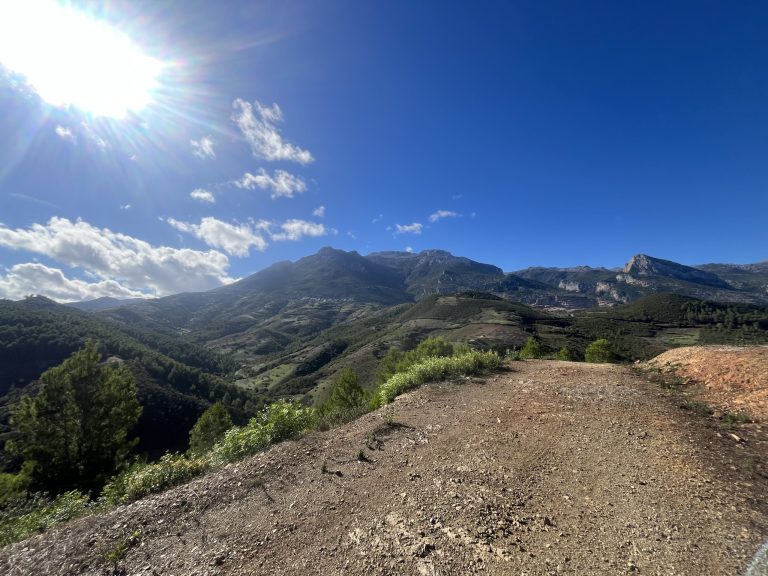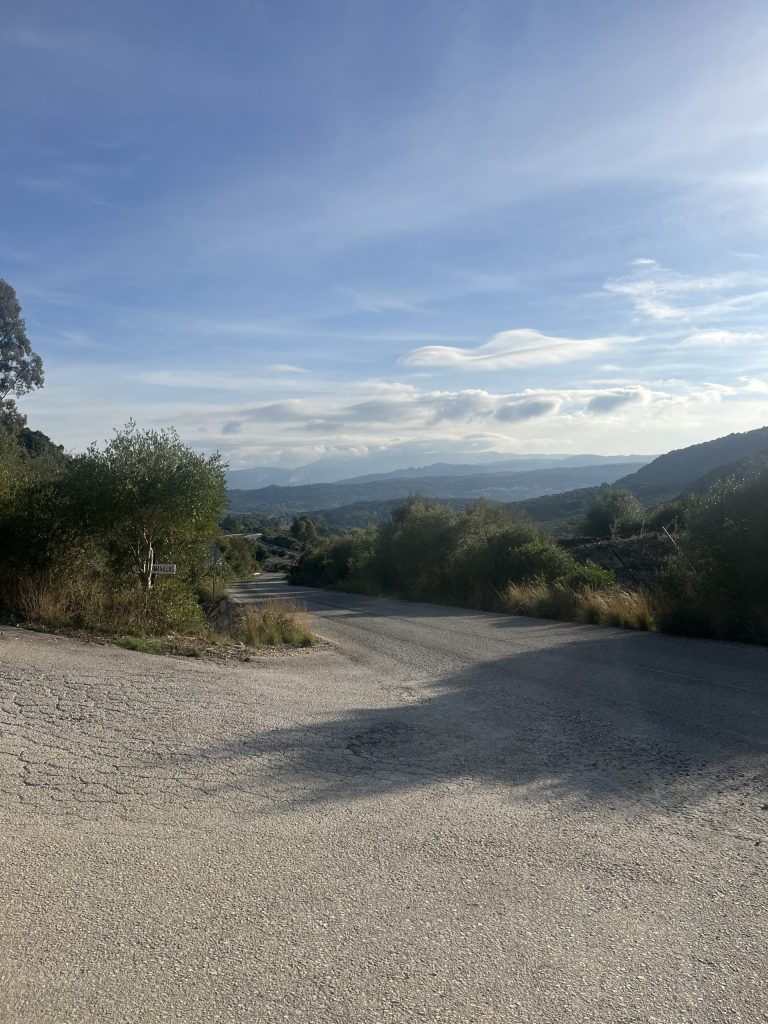
After months where every week seemed to be about leaving, this was the first one that was simply about going — my first full week on the road.
Monday disappeared somewhere between France and Spain. I managed a few hours’ sleep in the reclining chair on the ferry, although “sleep” might be generous. By morning the phone and power bank were fully charged, which felt like a reasonable trade, and with no free Wi-Fi onboard and, unsurprisingly, declining the offer of paying €25 for the pleasure, there was very little to distract me. I spent most of the day writing, editing and trying to make progress on the growing pile of videos.
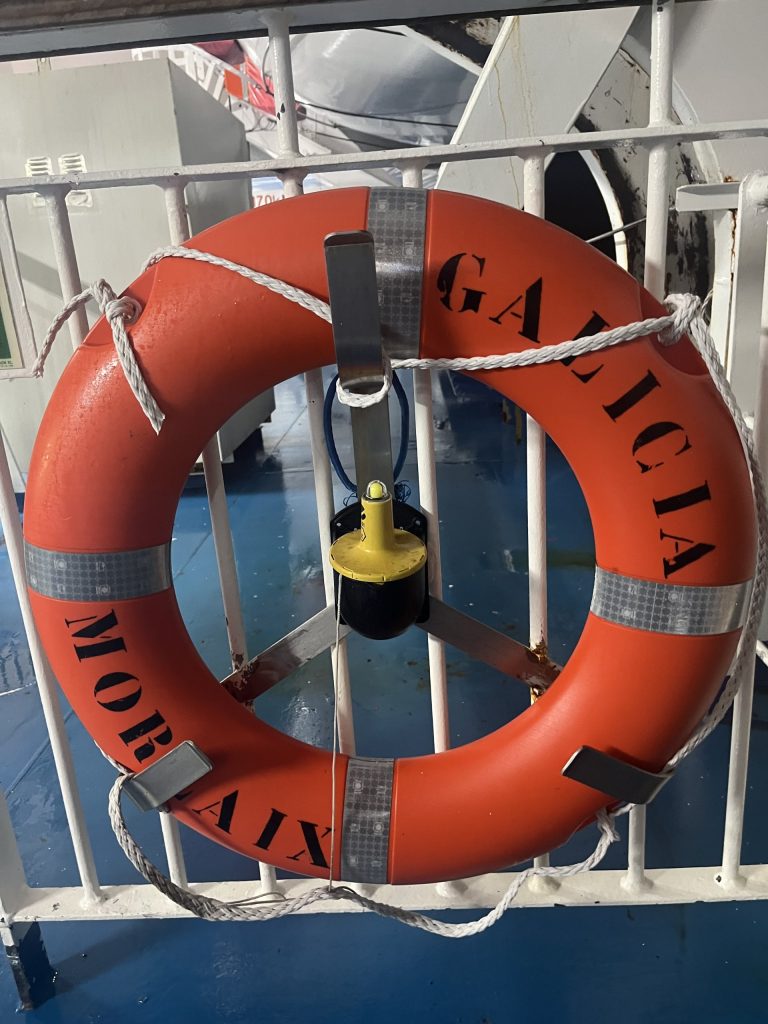
I did eventually give in and pay £3 for a coffee, which would have been easier to justify had it been any good. It wasn’t. However, a group of dolphins appearing off the French coast, leaping around in the rolling waves created by the ship’s engines, improved things considerably. I’d no idea dolphins could be seen around here, and they buoyed my spirits no end.
Despite leaving Portsmouth around five hours late, the ferry somehow reached Bilbao on time the following morning. I can only assume they had spent the night at full throttle making up for lost time while I attempted something close to sleep. I then created my own delay by forgetting which deck the bike was on and wandering around the vehicle decks looking for her. Every deck looked the same. I’d of put it down to a lack of sleep but, in all honesty, it’s not the first time I’ve misplaced her in the belly of a ferry. Eventually I found her, still tied down and not, as I had feared, rolling loose amongst the lorries and camper vans.
Getting through the port was far easier than expected. Passport scanned, nothing to declare and that was it. No biometrics taken, no fingerprints or photos, just a quick cursory look at the passport and I was waved through.
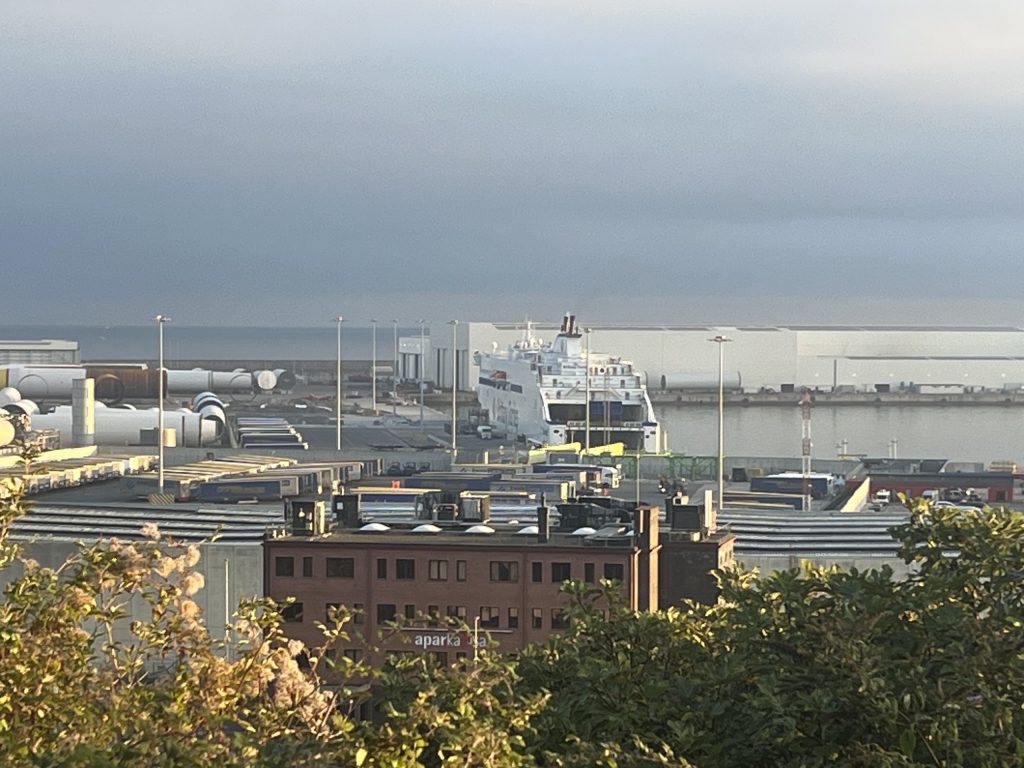
The ferry terminal is actually around 15 kilometres west of central Bilbao, around Santurtzi and Zierbena, so I never entered the city itself before turning inland. After a few wrong turns, the occasional dead end and turning up, mildly surprised and a little confused, at a container loading area, I eventually found the cycle lane I was looking for that would take me out of civilisation and up into the hills. It was, however, near vertical. Okay, maybe a little exaggeration there, but for legs more used to the sea than cycling, it sure felt like it as it rose uphill, a tough start for sure on so little sleep.
Sadly civilisation wasn’t done with me as quickly as I’d hoped, the cycle lane leading me back into built-up areas, with fast roads, tunnels and maddening junctions to negotiate, all while constantly reminding myself that I’m now riding on the right-hand side of the road. It had been some years since I had done so.
The drivers, however, were noticeably patient and well behaved. Spain has recently introduced new laws around cyclists and they seem, at least here, to be working as vehicles overtook me at a spacious distance that would be almost unthinkable in England.
Eventually the city thinned out, traffic almost disappeared and the temperature started to climb, peaking at around 30°C. The road climbed steadily too.
By the time I had covered 50 kilometres I had gained roughly 1,000 metres and felt far removed from the hustle and bustle of suburbia, enough, I figured, for a first day in Spain on almost no sleep.
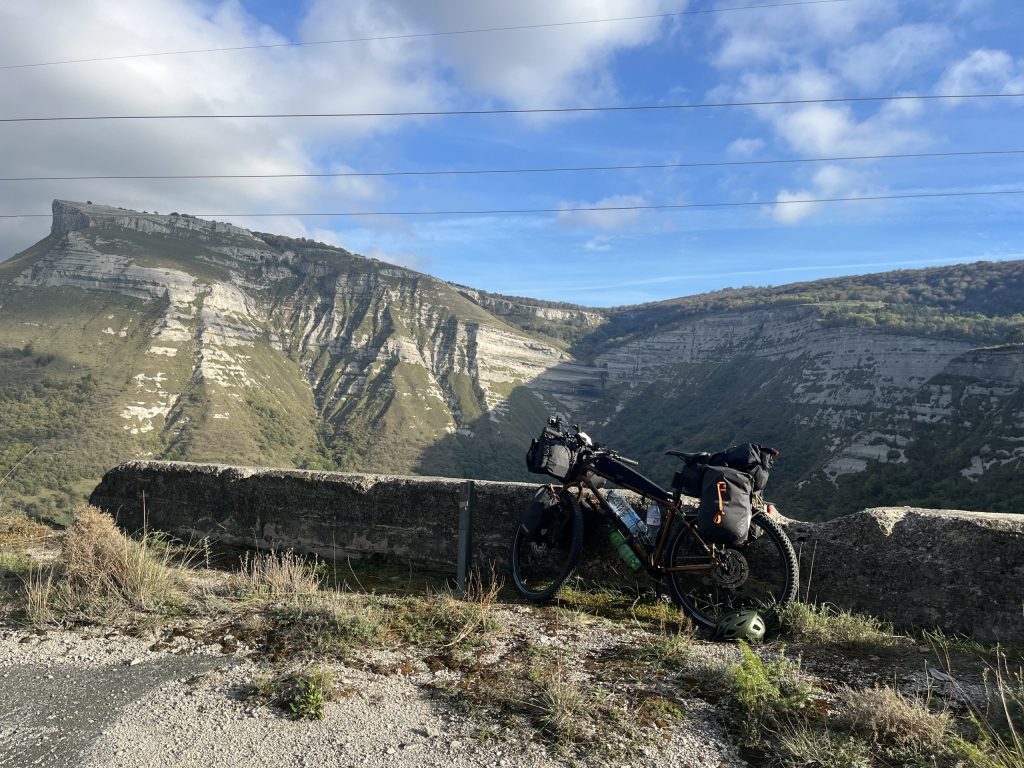
The final section just before camp included a tunnel but, just to the side, remnants of the old road were visible. I decide to investigate. It was partly blocked and scarred by rockfall, with the odd section already collapsed to the valley below but still rideable. The reward was an extraordinary view back through the valley I’d just climbed, rocky cliffs rising all around me and just before the top I found a small patch of level woodland beside the road. Mountain roads are wonderful until you need to sleep beside one; one side tends to be rock, the other a drop and the only flat ground is often a lay-by. The woodland was considerably more appealing.
The following morning began cold and misty at altitude, but the road immediately gave back what it had taken the previous afternoon. For around 35 kilometres I descended through forested hills, farmland and small settlements with names like Villaluenga, Río de Losa and Quintanilla la Ojada. As I lost height the mist lifted, the day warmed and for the first time I felt like the adventure down to Africa had really, truly begun.
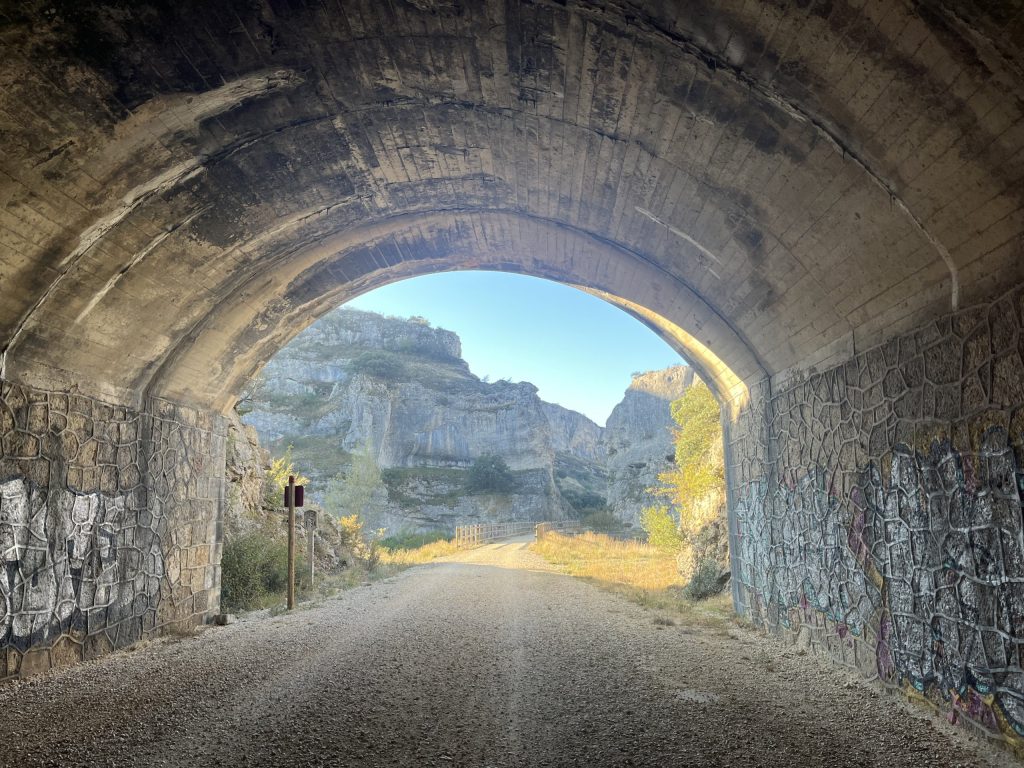
Around the village of Trespaderne, the route changed completely. I found myself on the Camino Natural Santander–Mediterráneo, built largely along the remains of the old railway of the same name. The railway was intended to link Santander with the Mediterranean but was never fully completed and eventually fell into disuse. Much of the old formation has since been turned into a route for walkers and cyclists. Railway engineers, unlike whoever designs some of the roads I often find myself on, generally dislike steep gradients, so I could gain hundreds of meters without ever feeling as though I was properly climbing.
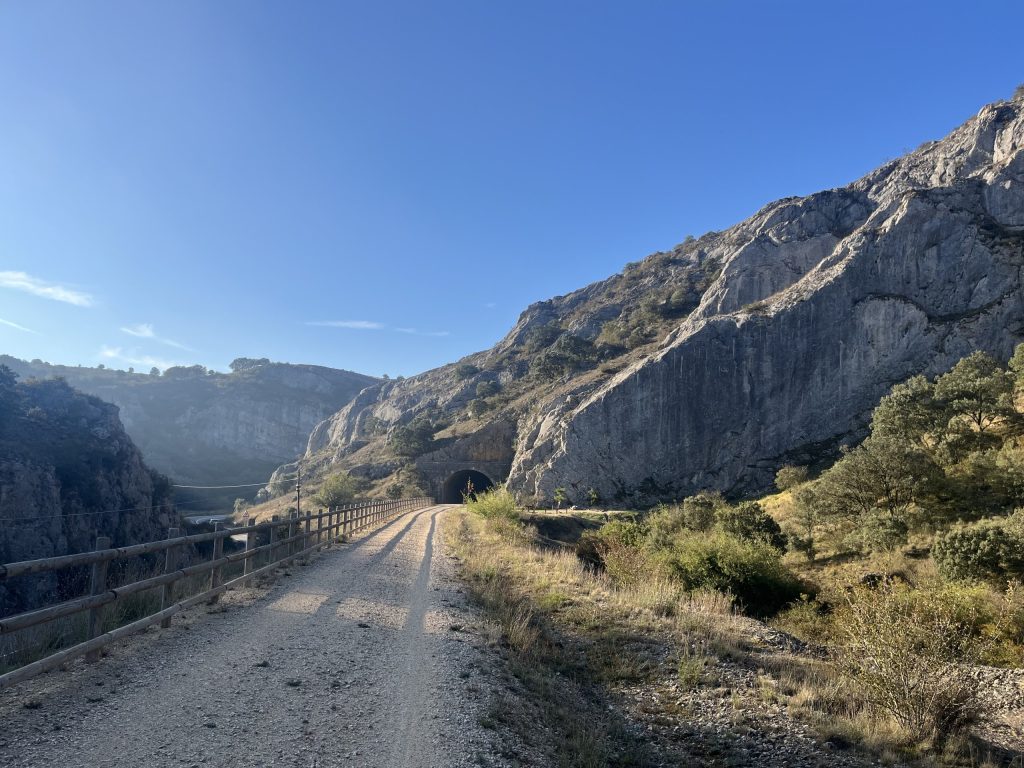
This was exactly the sort of riding I had been waiting for. No roads, no traffic, just me, gravel and the sun.
The trail slipped through cuttings, tunnels and gorges before opening onto wide views across the countryside. Around Oña it passed limestone cliffs and old Castilian villages, sleepy but beautiful, and welcome bastions of shade.
By late afternoon I had found a small oak woodland outside Quintanarruz and pitched amongst the trees. After months of planning, I was finally doing the thing I had been preparing for: riding somewhere I hadn’t been, finding somewhere quiet to sleep and waking the next morning with no need to return to where I had started.
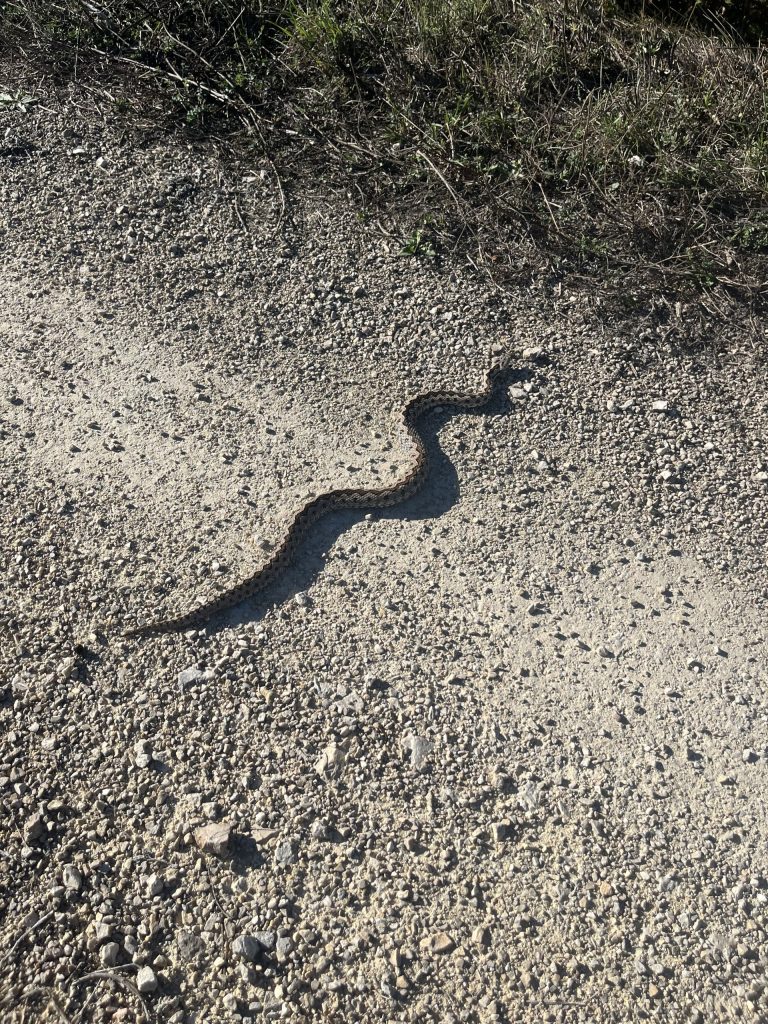
The railway carried me on again the next day and within minutes of setting off provided me with my first reminder that I don’t sleep alone out here. Lying across the path taking advantage of the morning sunshine was a Lataste’s viper, Vipera latastei. Known in Spanish as the víbora hocicuda, it’s one of Spain more venoms snakes.
At the village of Sotopalacios I found Wi-Fi, uploaded the latest journal and contacted family before skirting the city of Burgos, where something else unexpected appeared beside the route: Camino de Santiago signs.
I hadn’t realised my line would intersect with the Camino Francés, but west of Burgos it did, and EuroVelo 1 follows the same section towards Castrojeriz. Suddenly there were walkers everywhere, some in groups, others alone, most looking slightly sunburnt and all rather tired. The gravel route crossed wide agricultural country through villages such as Rabé de las Calzadas and Hontanas, places shaped for centuries by the passage of pilgrims.
Camping was less cooperative. The woodland I had marked beyond Hontanas turned out to be little more than thin pockets of trees, so I pushed on beyond Castrojeriz and eventually found a clearing beside a river. It wasn’t a great camp, but sometimes the best camping spot is simply the one you have when you’ve had enough of looking.
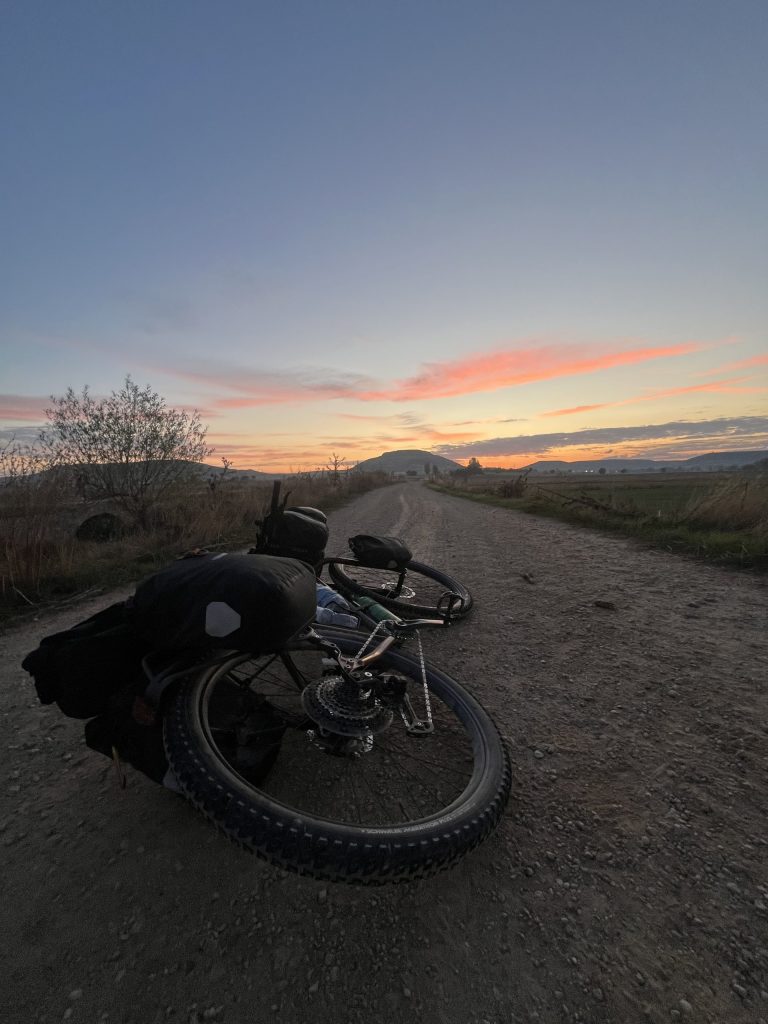
At six the next morning voices woke me with a start. For a few seconds I thought I had been discovered, until I realised they were early pilgrims already moving along the Camino in darkness. I packed quietly, wheeled the bike back to the trail and made coffee while the first light spread across the fields. A sunrise of deep purples and oranges illuminating the hillside ensured a poor camp was perhaps worth it after all.
The Camino stayed with me across another day of farmland and rolling hills before I reached Carrión de los Condes. The town has been an important pilgrim stop for centuries and its medieval role is still obvious in churches such as Santiago and Santa María del Camino. Tired walkers lay strewn across benches, hats over their eyes and their rucksacks thrown to the side. A sight no doubt locals had grown accustomed to.
I considered a campsite there, but €14 and some fairly uninspiring reviews persuaded me onwards; the amenities of organised camp life could wait another few days. The N-120 road out of the town was quiet enough and eventually delivered me to a small pine forest near the hamlet of Cervatos de la Cueza. After the previous night, it felt luxurious.
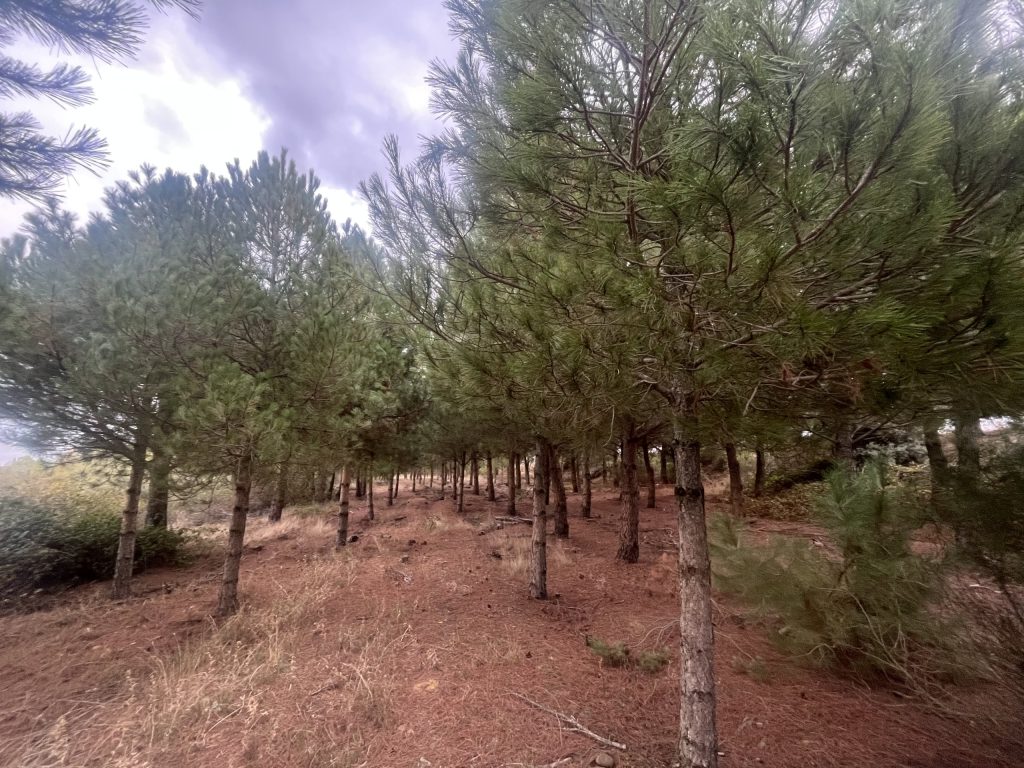
Squat but perfectly formed pines hid me from view. They were exactly the sort of tree you drew as a child. A short, dead-straight upright trunk with a perfect ball of green foliage atop. They seemed almost cartoon-like. A floor of deep pine needles provided a comfy place to sleep off tied legs.
The next morning I woke excited. The forecast had predicted strong north-easterly winds which, if right, would mean a tailwind.
And for once the wind gods were on my side, propelling me west through gently rolling countryside. For hours the bike seemed to roll almost without effort, easily maintaining speeds of around 30 km/h with little input needed from me save the occasional boost from a few pedal rotations, and by early afternoon, after almost 80 km of little more than farmland and the occasional hamlet, I had already reached the forest where I expected to stop. I’d covered 107 kilometres and had figured the night before that I’d be good and ready to rest by this point.
However, it was still only two o’clock, the legs felt good, the wind was still behind me and stopping seemed a little pointless with such favourable conditions, so I carried on. Naturally, as is nearly always the case when I decide to push things, this was when the map became fictional. Obviously, I’d forgotten the lessons of the past: a good camp spot isn’t always as easy as it appears on paper.
The next forest, clearly marked around 130 kilometres, did not appear to exist in reality. Whether it had been felled, burned or simply never deserved the confidence with which the map displayed it, I have no idea. Either way, there was nowhere to camp.
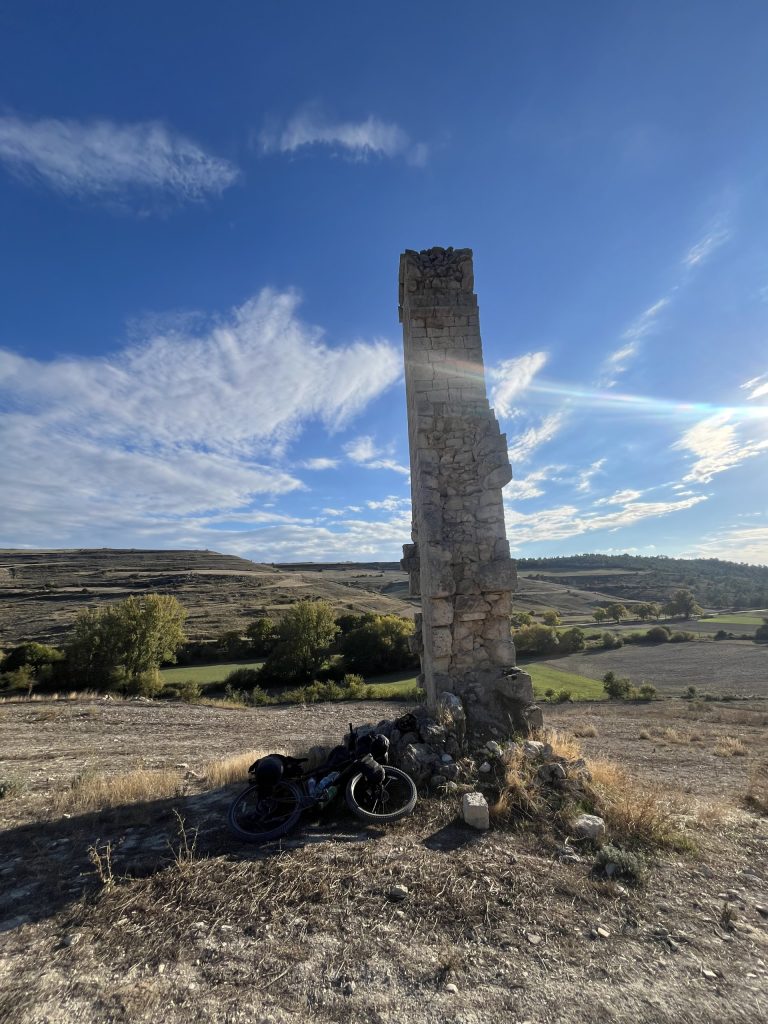
The landscape was changing too. Broad farmland gave way to rougher hills and gorges, the rock turning from grey to deeper reds. Livestock guarding dogs appeared more frequently beside the fields and in farmyards, barking excitedly at the smell of fresh English meat. I began to wonder what wild beasts might live in the nearby hills that livestock needed such formidable protection from and then I remembered my research back in the library. This was wolf country.
More precisely, I was entering the Aliste area of Zamora, close to the Sierra de la Culebra, one of the best-known strongholds of the Iberian wolf, its territory spanning the hills and forests of northern Spain and Portugal.
The area’s low human population density and mix of scrub, oak and forest support one of western Europe’s best-preserved wolf populations. Suddenly all those large dogs made rather more sense.
Rain arrived during the final hour and the planned 107-kilometre day eventually stretched to 153. Near San Vicente de la Cabeza the oak woodland returned and I found a place amongst the trees. There were animal trails everywhere and my imagination, always at its most helpful after dark, began examining every sound with unnecessary enthusiasm.
I cowboy camped anyway, wanting to watch the stars but equally able to get up and defend myself from being nibbled at should I need to. You’ll be pleased to hear, just as much as I am to say, that nothing ate me. There’s still time though; I’ve 300 km of riding ahead of me through their domain.
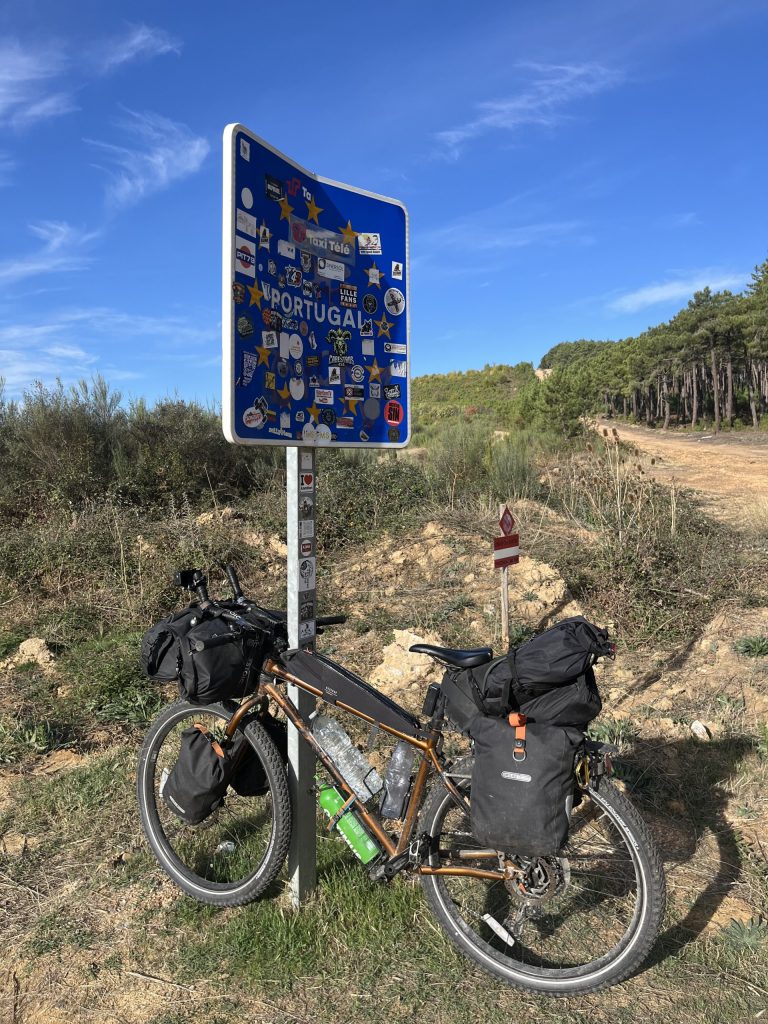
By morning Portugal was only around 20 kilometers away. The wind was still behind me and before long the final Spanish villages had disappeared. By eleven, Spanish time, I reached the border, snapped the obligatory photograph with one wheel in each country, took one last look back at Spain and descended the hillside into the first new-to-me country of this journey and my 43rd by bicycle. The clocks went back an hour, putting me on the same time as Britain again and making me feel like I’d just achieved time travel.
I had heard about a cheap campsite around 15 kilometres further on. Nine days had passed since my last proper shower and there is only so much that baby wipes and an occasional river dip can achieve. I was beginning to suspect I was starting to ferment.
I decided to investigate and, given I’d cycled the best part of 1,000 km since leaving home and survived not being eaten, I reckoned I deserved the luxury of hot water and undisturbed sleep. And I’m glad I did.
The campsite cost just over €5. Never before in Europe have I come across a campsite so cheap. Given I hadn’t spent any money in the last two days, it comfortably fell within my budget and I gladly signed up for the night.
For that gloriously low price I’ve got hot showers, fast Wi-Fi, a picnic table, shelter amongst tall pines and enough sunshine to charge everything I owe power too. Just outside the campsite is one of the best bicycle service shelters I have seen anywhere: tools, a pump, bike-wash facilities, a workbench, charging for electric bikes and USB sockets, all under cover. After days of wild camping it felt absurdly luxurious. I’m beginning to very much like Portugal already.
So the week that began with me trying to sleep in a ferry chair as rain lashed the deck outside ended with the tent pitched beneath Portuguese pines, smelling fresher than I have in a long time and soaked in autumn sunshine.
Ahead of me, though, lie the hills and mountains of Portugal as my route turns south through the natural parks and onto sections of the Grand Diagonal — a roughly 1,000-kilometre end-to-end route from Caminha in the north-west to Vila Real de Santo António in the south-east, with around 16,500 metres of climbing and a preference for quieter secondary roads through everything from high mountains to broad plains. It’ll be a lot of climbing and undoubtedly a lot of questioning my life choices but I already know that secretly, I’m going to enjoy every minute.
Enjoyed the read? Scroll down to see how you can support the ride by buying SJ a coffee